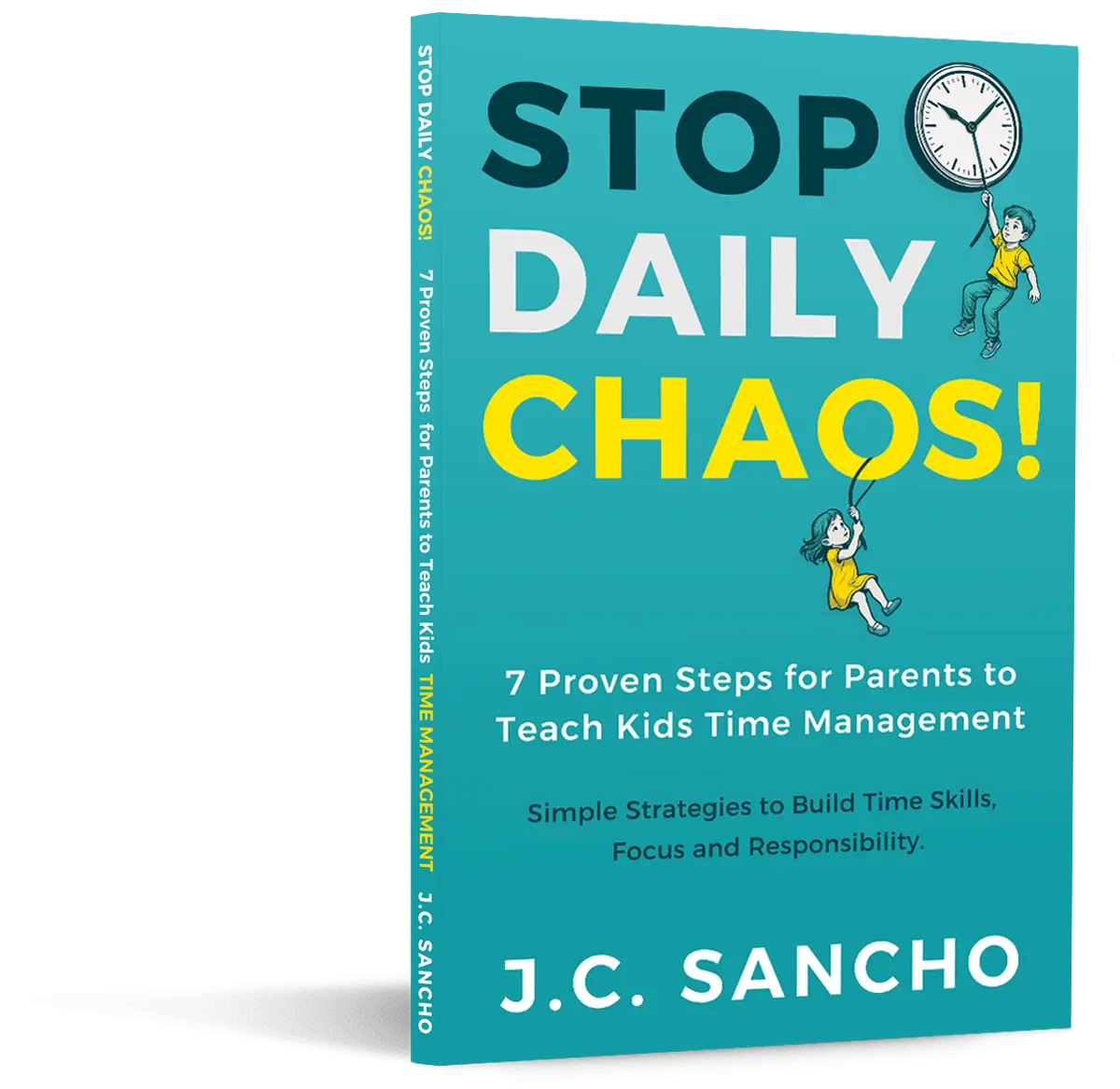
Research-Backed Approaches to Morning Routines Before School
At 7:42 a.m., someone can’t find a shoe. The toast is burning. Your third grader is staring into space instead of putting on their jacket. You hear yourself say, “We’ve been over this every morning.” The clock keeps moving, and the tension in the room rises with it.
Most parents don’t wake up hoping to rush or nag. Mornings simply compress too many demands into too little time. And children, especially younger ones, are still learning the very skills that mornings require: planning, sequencing, emotional regulation, and body awareness.
This is where Time Management for Kids becomes more than a productivity goal. It becomes a developmental skill set built slowly, with structure and emotional safety. Research in behavior science and child development shows that predictable routines, clear expectations, and co-regulation from adults dramatically improve children’s ability to manage transitions and responsibilities. The key is not stricter discipline. It’s smarter design.
Below, you’ll find practical, research-informed parenting strategies that translate into calmer mornings and more capable kids.
Why Morning Routines Before School Matter More Than We Think
Mornings set the nervous system tone for the day. When a child begins their day in a rush—voices raised, demands piling up, little time to process—they often arrive at school already dysregulated. Teachers see it in fidgeting, tears at drop-off, or defiance during the first lesson.
On the other hand, a steady routine provides three developmental benefits:
- Predictability: The brain relaxes when it can anticipate what happens next.
- Skill practice: Children rehearse sequencing, responsibility, and self-monitoring daily.
- Emotional safety: A calm adult nervous system signals, “You’re safe. We can handle this.”
Morning routines before school are not about perfection. They are about building an internal template: “This is how I move through my day.”
The Executive Function Piece
When a seven-year-old forgets their lunchbox for the third time this week, it’s tempting to label it carelessness. In reality, executive function skills—working memory, planning, inhibition—are still under construction throughout childhood and adolescence.
A child may genuinely intend to grab their backpack, then become distracted by the cat, a Lego piece on the floor, or the feeling of tight socks. Their brain is not yet wired for consistent task sequencing under time pressure.
Time Management for Kids works best when we treat it as skill-building rather than compliance training.
What’s Happening Underneath Morning Resistance
Before fixing behavior, it helps to decode it. Resistance in the morning usually signals one of four things: lagging skills, emotional overwhelm, sensory discomfort, or sleep-related strain.
1. Lagging Transition Skills
Transitions require stopping one activity, shifting attention, and starting another. For many children, especially those under ten, this is neurologically demanding.
Example:
Parent: “Turn off the TV and put your shoes on.”
Child: (Keeps watching.)
Parent: “I said now.”
Child: “Wait!”
This is often not defiance. It’s difficulty disengaging. The brain needs scaffolding.
2. Emotional Load
Sometimes morning resistance reflects worries about school: a test, a friendship issue, a presentation. Children rarely articulate this directly. Instead, you see dawdling, stomachaches, or irritability.
A child who argues about socks might actually be anxious about recess.
3. Sensory Sensitivities
Scratchy uniforms, bright lights, strong smells from breakfast, loud siblings—mornings can overwhelm a sensitive nervous system.
If your child melts down every time you brush their hair or rush them into layered clothing, consider sensory discomfort rather than stubbornness.
4. Sleep Debt and Body Signals
Children need more sleep than many families realize. Even mild sleep deprivation affects attention, impulse control, and mood.
If your child is consistently groggy, slow to start, or emotionally fragile in the morning, evaluate bedtime timing, screen exposure, and overall sleep quality.
This article offers educational information. If your child has persistent sleep problems, severe anxiety, chronic stomachaches, or escalating behavior, consult your pediatrician or a licensed mental health professional for individualized care.
Building Time Management for Kids: Start the Night Before
The most effective morning routines begin at 6:30 p.m., not 6:30 a.m.
Evening preparation reduces cognitive load when everyone is tired and rushed.
Create a Predictable Launch Pad
Designate a consistent place for:
- Backpack
- Homework folder
- Lunchbox
- Shoes
- Coat
Walk your child through the process:
Parent: “Before we relax tonight, let’s set up tomorrow. Backpack zipped? Lunchbox in the fridge spot? Shoes by the door?”
Do this alongside them at first. Over time, fade your prompts.
Use a Visual Checklist
Children process visual information more efficiently than repeated verbal reminders.
For early elementary children, a laminated checklist with simple words and images works well:
- Get dressed
- Eat breakfast
- Brush teeth
- Pack backpack
- Put on shoes
Instead of saying, “Hurry up,” try:
Parent: “What’s next on your list?”
This shifts responsibility gently back to the child.
Designing a Morning That Supports Regulation
Time Management for Kids improves dramatically when the environment supports regulation instead of fighting against it.
Build in a Buffer
Children move more slowly than adults expect. Add 10–15 extra minutes beyond what you think is necessary. That buffer absorbs spills, missing mittens, or slow transitions without triggering panic.
Many parents notice that when they stop scheduling mornings down to the minute, yelling decreases immediately.
Use Time Anchors, Not Constant Warnings
Instead of calling out the clock every three minutes, use predictable cues:
- A specific playlist for getting dressed
- A kitchen timer set for breakfast
- A gentle alarm for “shoes on” time
This externalizes time. The adult becomes a coach, not a time enforcer.
Offer Limited Choices
Choice increases cooperation when it is structured.
Example:
Parent: “Do you want the blue shirt or the green one?”
Child: “Green.”
The task (getting dressed) is non-negotiable. The details feel collaborative.
Emotional Safety in the Rush
Many parents try to solve morning chaos with stricter rules. Structure matters. But without emotional safety, structure turns into power struggles.
Regulate Yourself First
Children borrow our nervous systems. If your tone sharpens, their body shifts into defense mode.
A quick reset helps:
- Slow your breathing for 10 seconds.
- Lower your voice instead of raising it.
- Move physically closer before giving instructions.
It feels small. It changes everything.
Connect Before Correcting
If your child is stuck on the floor instead of putting on shoes:
Parent: “You look tired. Mornings are hard.”
(Pause.)
Parent: “Let’s get one shoe on together.”
Connection reduces resistance. Once the first step happens, momentum builds.
Teaching Body Literacy During Morning Routines
Body literacy means helping children recognize and interpret physical signals—hunger, fatigue, tension, anxiety.
Mornings offer daily practice.
Notice Physical Cues
If your child complains of a stomachache before school, respond with curiosity rather than dismissal.
Parent: “Is it a tight feeling or a sharp pain?”
Child: “Tight.”
Parent: “Sometimes tight tummies happen when we’re worried. Anything on your mind today?”
Even if they shrug, you’ve modeled awareness.
Support Basic Needs Early
Some children wake up dehydrated and irritable. A small glass of water before breakfast can reduce early friction. Others need protein within minutes of waking to stabilize mood.
Observe patterns. Adjust accordingly.
Common Morning Mistakes That Backfire
1. Over-Talking
Long lectures at 7:15 a.m. rarely land. The brain under stress processes fewer words.
Swap:
“How many times do I have to tell you to get your backpack ready the night before?”
For:
“Backpack.” (Point to checklist.)
2. Doing Everything for Them
When time runs short, it’s tempting to put on their shoes, pack their bag, and rush them out.
Occasionally, that’s practical. Repeatedly, it robs them of skill-building. If you must step in, narrate the process:
“I’m zipping this today because we’re late. Tonight, you’ll practice.”
3. Using Shame as Motivation
Statements like “Why are you always so slow?” may produce compliance in the moment but chip away at confidence.
Children internalize labels quickly. Replace character judgments with skill language:
“We’re still learning how to move through mornings.”
When Mornings Signal Something Bigger
Occasional chaos is normal. Persistent, intense distress deserves closer attention.
Consider professional guidance if you notice:
- Frequent panic, crying, or refusal related specifically to school
- Chronic physical complaints with no clear cause
- Severe sleep disruption
- Escalating aggression during transitions
- Attention difficulties that extend beyond mornings
School anxiety, ADHD, sensory processing challenges, and mood disorders can all show up most clearly during transitions. Early support improves outcomes.
Start with your pediatrician, who can help assess whether further evaluation is warranted.
Age-Specific Adjustments for Time Management for Kids
Preschool to Early Elementary
- Keep routines short and visual.
- Use songs or games for transitions.
- Expect hands-on guidance.
Example: “Let’s race the timer to see if socks can go on before it beeps.”
Upper Elementary
- Introduce simple time estimates: “Getting dressed takes about five minutes.”
- Let them set a personal alarm.
- Review what worked and what didn’t once a week.
Collaborative problem-solving builds ownership.
Middle School
Sleep cycles shift biologically in adolescence. Early school start times can clash with natural rhythms.
Instead of repeated morning battles, focus on:
- Consistent bedtime boundaries
- Screen limits at night
- Clear expectations about independence
Say:
“You’re in charge of being ready by 7:30. If you’re not, we’ll problem-solve tonight.”
Respect paired with accountability tends to work better than micromanagement.
A Practical Framework You Can Try This Week
If mornings feel chaotic right now, start small. Choose one shift.
- Observe for three days. What slows things down? Where does tension spike?
- Simplify the routine. Remove unnecessary steps.
- Create a visual checklist.
- Add a 10-minute buffer.
- Practice calm tone and short prompts.
Then reassess.
You might notice that the child who seemed “unmotivated” actually needed clearer sequencing. Or that the daily meltdown happened before breakfast, not after. Patterns reveal leverage points.
What Children Learn from a Well-Designed Morning
They learn that time is something you can plan for rather than race against.
They learn that feelings can be named without derailing the day.
They learn that mistakes—forgotten homework, mismatched socks—are solvable.
And perhaps most importantly, they learn that home is steady even when the clock is ticking.
Time Management for Kids is built in ordinary, repetitive moments. It grows from visual lists taped to the fridge, from calm voices at the door, from practiced sequences that become internal habits.
Mornings may never be silent or perfectly efficient. But with thoughtful parenting strategies grounded in behavior science and emotional safety, they can become predictable, teachable, and far less stressful.
Tomorrow morning, when someone can’t find a shoe, you’ll still feel the clock. The difference is that you’ll also see the skill underneath the scramble—and you’ll know how to coach it.