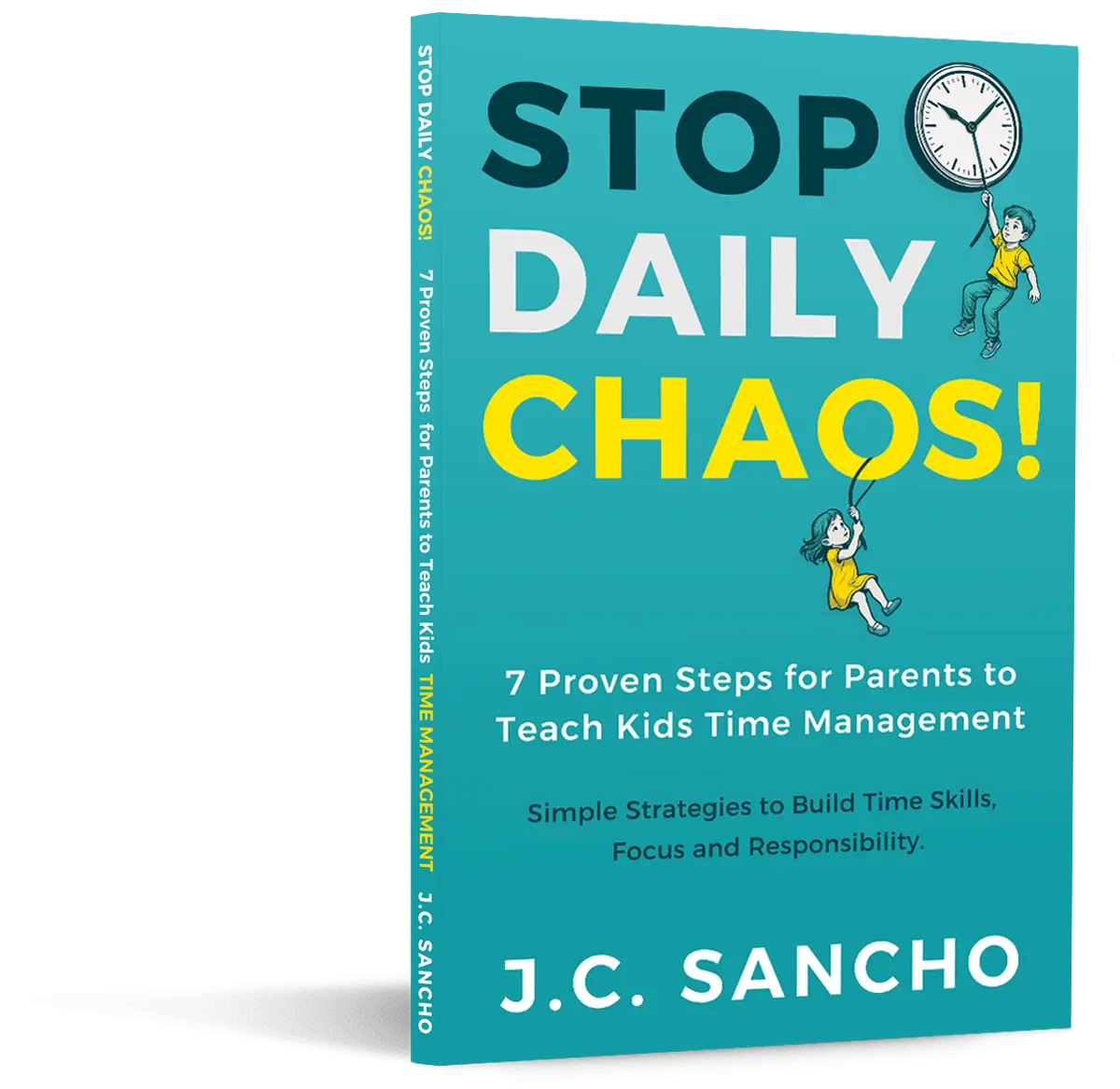
Supporting Children Through Time Management Skills for Kids
If your mornings feel rushed, homework drags into bedtime, or screen time turns into daily negotiations, you are not alone. Many parents worry their child is “bad at managing time” or “just not organized.” In reality, time management skills for kids are learned—not inherited—and they develop gradually alongside brain growth, emotional regulation, and life experience.
Parenting around time can feel high-stakes. We want our children to succeed academically, build responsibility, and develop independence. But we also want to protect connection and emotional safety. The good news: with clear structure, compassionate guidance, and small daily practices, children of all ages—from toddlers to teens—can strengthen the skills that help them manage time confidently.
This guide blends behavior science, body literacy, and practical parenting tools so you can coach—not control—your child toward long-term habits.
What Time Management Really Means (And Why It Matters)
Time management skills for kids are not simply about using a planner. They involve a set of executive function skills—the brain-based abilities that help us plan, prioritize, start tasks, persist, and shift attention. These skills develop gradually through childhood and adolescence as the prefrontal cortex matures.
At its core, time management includes:
- Planning: Knowing what needs to happen and when.
- Prioritizing: Deciding what matters most right now.
- Estimating time: Understanding how long tasks take.
- Task initiation: Starting without excessive delay.
- Self-monitoring: Adjusting when off track.
Research from organizations like the American Academy of Pediatrics (AAP) shows that consistent routines and predictable structure support cognitive development and emotional regulation. When children feel safe and clear about expectations, their brains can focus on learning instead of managing uncertainty.
Strong time skills reduce stress, improve school performance, and support mental health. They also build confidence. A child who knows how to break a project into steps or limit screen time feels capable rather than overwhelmed.
Takeaway: Time management is a developmental skill set. Our role in parenting is to scaffold it gently, not expect it to appear fully formed.
Build the Foundation: Safety, Rhythm, and Predictability
Before introducing planners or productivity hacks, focus on emotional safety and daily rhythm. Children manage time best when their bodies feel regulated and their environment is predictable.
Create Anchors in the Day
Anchors are consistent routines that help children anticipate what comes next. For toddlers, that might be: breakfast, play, snack, nap. For teens, it might be: school, downtime, homework block, dinner.
Step-by-step:
- Choose 3–5 predictable daily anchor points.
- Name them clearly (“After dinner is homework time”).
- Post a simple visual schedule for younger children.
- Review the next day each evening in two minutes or less.
Micro-script: “After we eat, we clean up together. Then you can choose your play.”
Teach Body Literacy
Body literacy means helping children notice internal cues—hunger, fatigue, restlessness. A dysregulated body struggles with time awareness.
Ask: “How does your body feel right now—ready to focus or needing a quick break?” This builds self-monitoring skills essential for screen time management and homework routines.
Takeaway: Predictable structure and body awareness create the conditions for time skills to grow.
Make Time Visible and Concrete
Children do not experience time abstractly. “Ten minutes” can feel either endless or instant. Making time visible transforms frustration into clarity.
Use Timers and Visual Tools
For toddlers and elementary-aged kids, visual timers (showing red disappearing) are powerful. For older children, digital reminders or calendar apps can help.
Try this process:
- Explain the task: “You’ll practice piano for 15 minutes.”
- Set a visible timer together.
- Check in halfway: “How’s your focus?”
- Celebrate completion, not perfection.
Micro-script: “When the timer rings, we’ll pause. If you need more time, we can plan it.”
Estimate and Reflect
Help kids estimate how long tasks take, then compare to reality.
Ask: “How long do you think this math page will take?” Afterward: “You guessed 5 minutes—it took 12. What might help tomorrow?”
This builds metacognition—thinking about thinking—which strengthens executive function.
Takeaway: Concrete tools reduce power struggles and build internal awareness of time.
Teach Planning Through Small Wins
Planning can overwhelm children if introduced at full scale. Start small and layer complexity gradually.
Break Tasks Into Manageable Steps
Large projects trigger avoidance because they feel undefined. Help your child “chunk” assignments.
Example for a middle school project:
- Day 1: Choose topic.
- Day 2: Find three sources.
- Day 3: Outline.
- Day 4–5: Draft.
- Day 6: Revise.
Micro-script: “Big projects feel heavy. Let’s shrink it into steps.”
Use Weekly Planning Rituals
For older children and teens, introduce a 10-minute Sunday planning session:
- Review upcoming deadlines.
- Identify busy days.
- Schedule focused work blocks.
- Plan downtime intentionally.
This is especially helpful for screen time management. When leisure is planned, it feels abundant rather than restricted.
Takeaway: Planning works best when collaborative and brief—not lecture-based.
Support Healthy Screen Time Management
Screen time is often where time management struggles show up most clearly. Devices are designed to capture attention. Children’s developing brains are particularly sensitive to reward cycles driven by dopamine (a brain chemical linked to motivation and pleasure).
Shift From Control to Coaching
Instead of sudden limits, involve your child in creating a screen plan.
Checklist for a balanced screen agreement:
- Clear daily or weekly time limits.
- Device-free zones (bedrooms at night).
- Screen use after responsibilities are complete.
- Regular tech-free family time.
Micro-script: “Screens are fun and powerful. Our job is to use them wisely so they don’t use us.”
Use “When–Then” Structure
Behavior science supports contingency language: “When homework is done, then you can play.” This connects effort with reward without shaming.
For teens, shift toward autonomy: “What’s your plan to balance gaming and school this week?”
Takeaway: Screen time management improves when children feel ownership and clear boundaries.
Model What You Want to See
Children learn time habits by watching us. If we rush constantly, multitask excessively, or scroll during family time, they internalize those rhythms.
Try narrating your own planning process:
“I have three tasks. I’ll do the hardest one first while I’m fresh.”
Share gentle self-corrections:
“I underestimated that. Next time I’ll block more time.”
This normalizes imperfection and resilience.
Takeaway: Modeling calm, flexible time management is more powerful than lecturing.
Where Families Get Tangled (And How to Untangle Gently)
Expecting Adult-Level Skills Too Soon
A 7-year-old cannot manage time like a 17-year-old. Executive function continues developing into the mid-20s. Adjust expectations accordingly.
Over-Scheduling
Too many extracurriculars can crowd out rest. Downtime is not laziness—it supports creativity and emotional processing.
Shame-Based Language
Phrases like “You’re so disorganized” can become identity statements. Instead say: “This system isn’t working yet. Let’s adjust it.”
Inconsistent Follow-Through
Rules that change daily create confusion. Predictability builds trust.
Navigation tip: When conflict rises, pause. Regulate first. Problem-solve second.
Deepening the Work: Raising a Child Who Owns Their Time
As children mature, shift from external structure to internal motivation. This is the heart of sustainable time management skills for kids.
Foster Identity-Based Habits
Instead of focusing on tasks, focus on identity: “You’re becoming someone who plans ahead.” Identity statements strengthen long-term behavior.
Encourage Reflection Over Punishment
If your teen misses a deadline, ask:
- What got in the way?
- What would you try differently?
- What support do you need?
This builds accountability without fear.
Connect Time to Values
Ask: “What matters most to you this season—sports, friends, grades, rest?” Time decisions become easier when aligned with values.
Takeaway: The goal is not rigid productivity. It is a young person who understands their energy, priorities, and choices.
Questions Parents Often Carry
At what age should I start teaching time management?
Begin in toddlerhood with simple routines and visual schedules. Formal planning tools become useful around ages 8–10, with increasing independence in adolescence.
How much screen time is appropriate?
The AAP recommends consistent limits and prioritizing sleep, physical activity, and relationships. The exact number varies by age and family values. Balance and content quality matter as much as duration.
What if my child has ADHD or anxiety?
Children with ADHD or anxiety may need additional scaffolding, shorter work intervals, and professional guidance. Consult a pediatrician or licensed clinician for individualized support. (This article is for educational purposes and is not a substitute for medical advice.)
How do I reduce daily power struggles?
Focus on collaboration, predictable routines, and calm follow-through. Replace repeated reminders with systems—timers, checklists, posted schedules.
Further Reading
- American Academy of Pediatrics (AAP): Guidance on media use and routines
- Centers for Disease Control and Prevention (CDC): Child development milestones
- Child Mind Institute: Executive function and ADHD resources
- Mayo Clinic: Healthy screen time habits for families
Moving Forward With Confidence
Supporting your child’s time management skills is not about raising a perfectly efficient human. It is about raising a capable one—someone who understands their body, respects their commitments, and feels empowered rather than pressured.
There will be missed buses, unfinished projects, and renegotiated screen limits. That is part of learning. Stay steady. Stay curious. Focus on progress over perfection.
When you combine clarity with compassion, structure with flexibility, and limits with warmth, you give your child more than productivity skills. You give them trust in themselves. And that trust is what carries them into adulthood with resilience and confidence.