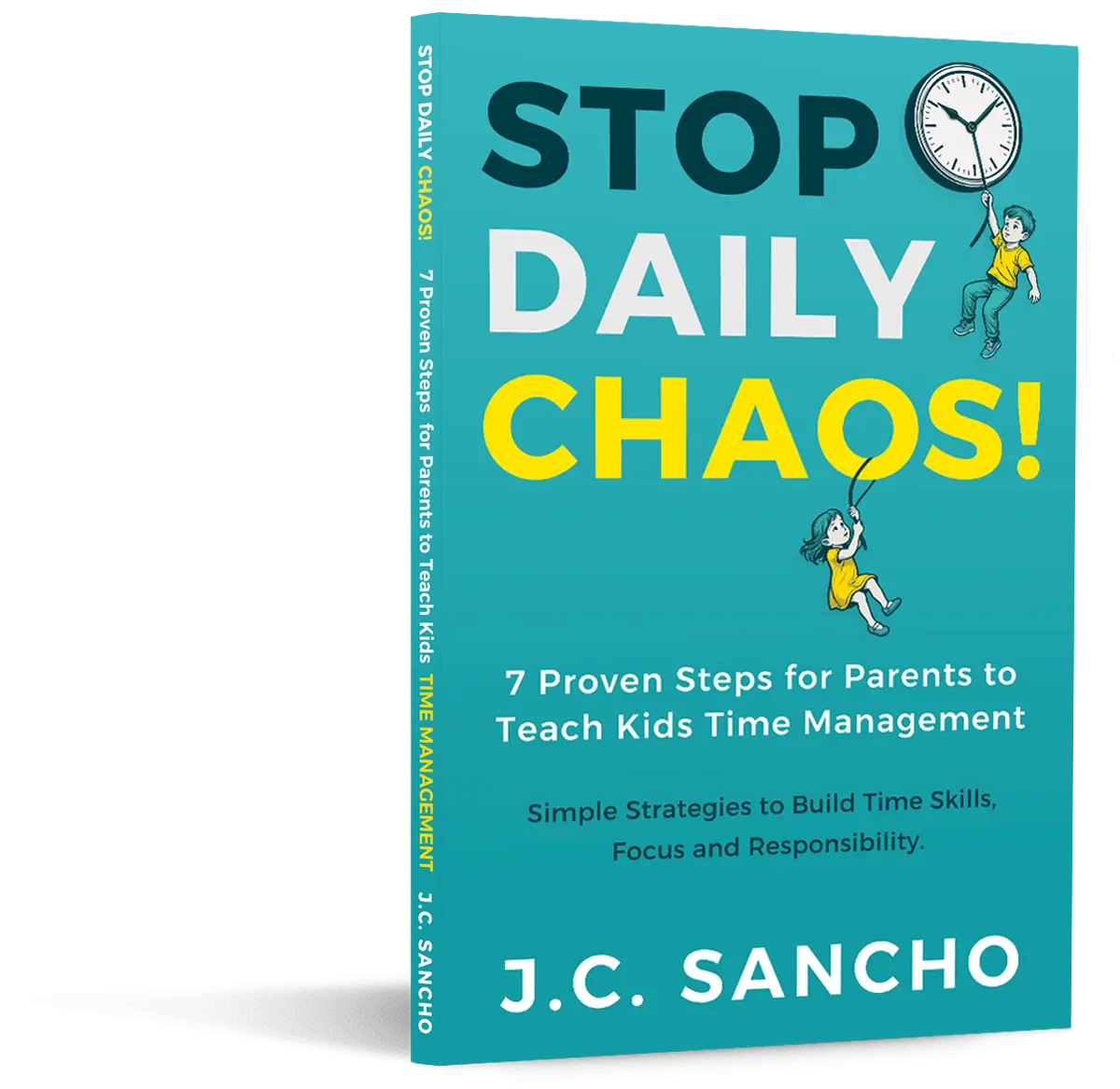
How to Time Management Skills for Kids
If your mornings feel like a race against the clock, homework stretches into bedtime, or your teen swears “I’ll do it later” and forgets entirely—you’re not alone. Many parents worry that their child is disorganized, distracted, or unmotivated. In reality, most kids simply haven’t been taught time management skills in ways their brains and bodies can use.
The good news: time management skills for kids are teachable. With clarity, compassion, and a steady daily structure, children can learn to plan, prioritize, and follow through—without shame or power struggles. This guide walks you through how to coach these skills from toddlerhood through the teen years, grounded in behavior science and emotional safety.
What Time Management Really Means (and Why It Matters)
Time management is not about rigid schedules or productivity hacks. For children, it means learning to understand time, estimate how long things take, transition between activities, and balance responsibilities with rest. It’s closely tied to executive functioning—brain-based skills that include planning, impulse control, working memory, and flexible thinking.
Executive function develops gradually through childhood and adolescence. According to the American Academy of Pediatrics (AAP), these skills continue maturing into the mid-20s. That means kids aren’t being difficult when they struggle—they’re developing.
Strong time management skills in kids support:
- Lower stress and fewer morning conflicts
- Improved academic performance
- Better sleep hygiene
- Greater independence and confidence
- Reduced anxiety around deadlines
Perhaps most importantly, when we teach time skills in a shame-free way, children learn body literacy—the ability to notice internal cues like hunger, fatigue, and overwhelm—and adjust their pace accordingly.
Start With Daily Structure: The Foundation
Before planners and productivity tools, kids need predictable rhythm. Daily structure gives the nervous system a sense of safety. When children know what comes next, they spend less energy guessing and more energy doing.
Create Anchor Points
Anchor points are consistent parts of the day: wake-up, meals, school, homework, bedtime. Start by stabilizing these before fine-tuning details.
Step-by-step:
- Choose 3–5 non-negotiable daily anchors.
- Set approximate times (not minute-by-minute).
- Use visual cues: charts, whiteboards, or picture schedules for younger kids.
- Review the plan together each morning.
Micro-script: “Our mornings go: get dressed, eat breakfast, brush teeth, shoes on. Let’s check what’s next.”
Takeaway: Consistency builds security. Security builds cooperation.
Use Visual Time Tools
Young children think concretely. Saying “ten more minutes” means little. Visual timers, color-coded calendars, or paper planners make time visible.
For teens, digital calendars with reminders work well—but teach them how to input tasks themselves. Ownership matters.
Takeaway: If kids can see time, they can manage it.
Teach the Skill of Planning (Not Just Obedience)
Planning is a learned process. Instead of telling kids what to do next, guide them to think it through.
Break Tasks Into Small Steps
“Clean your room” is overwhelming. Break it down:
- Put dirty clothes in hamper
- Put books on shelf
- Clear desk surface
Micro-script: “What’s the first tiny step? Let’s start there.”
This reduces cognitive overload and builds momentum.
Practice Backward Planning
For older kids, teach them to work backward from a deadline.
Example: Science project due Friday.
- Friday: turn in
- Thursday: assemble board
- Wednesday: print materials
- Monday–Tuesday: research
Takeaway: Planning transforms stress into a roadmap.
Build Time Awareness Through the Body
Time management isn’t just cognitive—it’s physiological. Kids who are hungry, overtired, or overstimulated cannot manage time effectively.
Teach Body Check-Ins
Pause and ask:
- “Is your body feeling fast or slow?”
- “Do you need water or a stretch?”
- “Are you focused or distracted?”
This builds body literacy and self-regulation, both essential for managing transitions.
Use Rhythmic Work Cycles
Many children focus best in short bursts. Try:
- 20–30 minutes work
- 5-minute movement break
Teens may prefer 45–50 minute cycles. Adjust based on temperament.
Takeaway: Support the body, and time skills follow.
Strengthen Follow-Through Without Power Struggles
Children often know what to do but struggle to start. This is called “task initiation,” a core executive function skill.
Use “When–Then” Framing
Instead of threats:
Micro-script: “When homework is finished, then you can game.”
This keeps cause and effect clear without shame.
Stay Neutral and Curious
If a task isn’t done:
Micro-script: “I notice the assignment isn’t started yet. What’s getting in the way?”
This shifts from accusation to collaboration.
Takeaway: Connection fuels accountability.
Age-by-Age Guidance
Toddlers and Preschoolers
Focus on routine, songs for transitions, and simple visual schedules. Expect repetition. Their sense of time is emerging.
Elementary School
Introduce planners, chore charts, and simple goal-setting. Practice estimating: “How long do you think this will take?” Then compare.
Teens
Shift into coaching mode. Help them prioritize using categories: urgent, important, optional. Encourage digital calendar use and weekly planning sessions.
Weekly reset checklist:
- Review upcoming assignments
- Check sports/work schedules
- Block study time
- Schedule downtime
Teens need autonomy paired with accountability.
Where Parents Often Get Stuck (and How to Move Forward)
Over-Controlling the Schedule
When adults micromanage every minute, kids don’t internalize skills. Gradually hand over responsibility.
Expecting Adult-Level Performance
Remember brain development timelines. A 10-year-old forgetting homework is common—not defiant.
Using Shame as Motivation
Statements like “You’re so lazy” undermine confidence. Research from Child Mind Institute shows shame increases avoidance, not responsibility.
Ignoring Emotional Overload
Anxious or overwhelmed kids struggle to prioritize. Address the emotion first.
Micro-script: “You seem stressed. Let’s slow it down together.”
Deepening the Skill: Long-Term Habits and Mindset
Time management skills for kids become sustainable when rooted in identity and values—not just compliance.
Connect Tasks to Purpose
Ask: “Why does this matter to you?” When teens link studying to future goals, motivation strengthens.
Normalize Mistakes
Missed deadlines are learning data. Review what happened without blame:
Reflective questions:
- What worked?
- What didn’t?
- What will you try next time?
Model Healthy Time Use
Kids watch us. If we overwork without rest, they absorb that. Demonstrate balance: work blocks, breaks, and bedtime boundaries.
Takeaway: Skills stick when they feel humane and aligned with values.
Quick Answers to Questions Parents Ask
What if my child has ADHD?
Children with ADHD often need more visual cues, shorter work cycles, and external reminders. Consult your pediatrician for tailored guidance. (This article is for educational purposes and not a substitute for medical advice.)
How long does it take to build time management habits?
Habits form gradually. Expect weeks to months of consistent practice, especially as routines shift with school seasons.
Should I use rewards?
Short-term incentives can help start a behavior, but long-term motivation grows from mastery and autonomy. Pair rewards with reflection.
Further Reading
- American Academy of Pediatrics – HealthyChildren.org (executive function and routines)
- CDC – Child Development Basics
- Child Mind Institute – Executive Function Resources
- Mayo Clinic – Stress in Children and Teens
A Final Encouragement for the Road
Teaching time management skills to kids is not about raising productivity machines. It’s about helping children feel capable in their own lives. When they can plan a project, transition without meltdown, and rest when tired, they trust themselves.
Start small. Choose one anchor point, one planning habit, one micro-script. Layer skills gradually. Stay steady, not perfect.
Your calm presence and clear daily structure are more powerful than any planner. Over time, your child won’t just manage time—they’ll manage themselves with confidence, resilience, and self-respect.