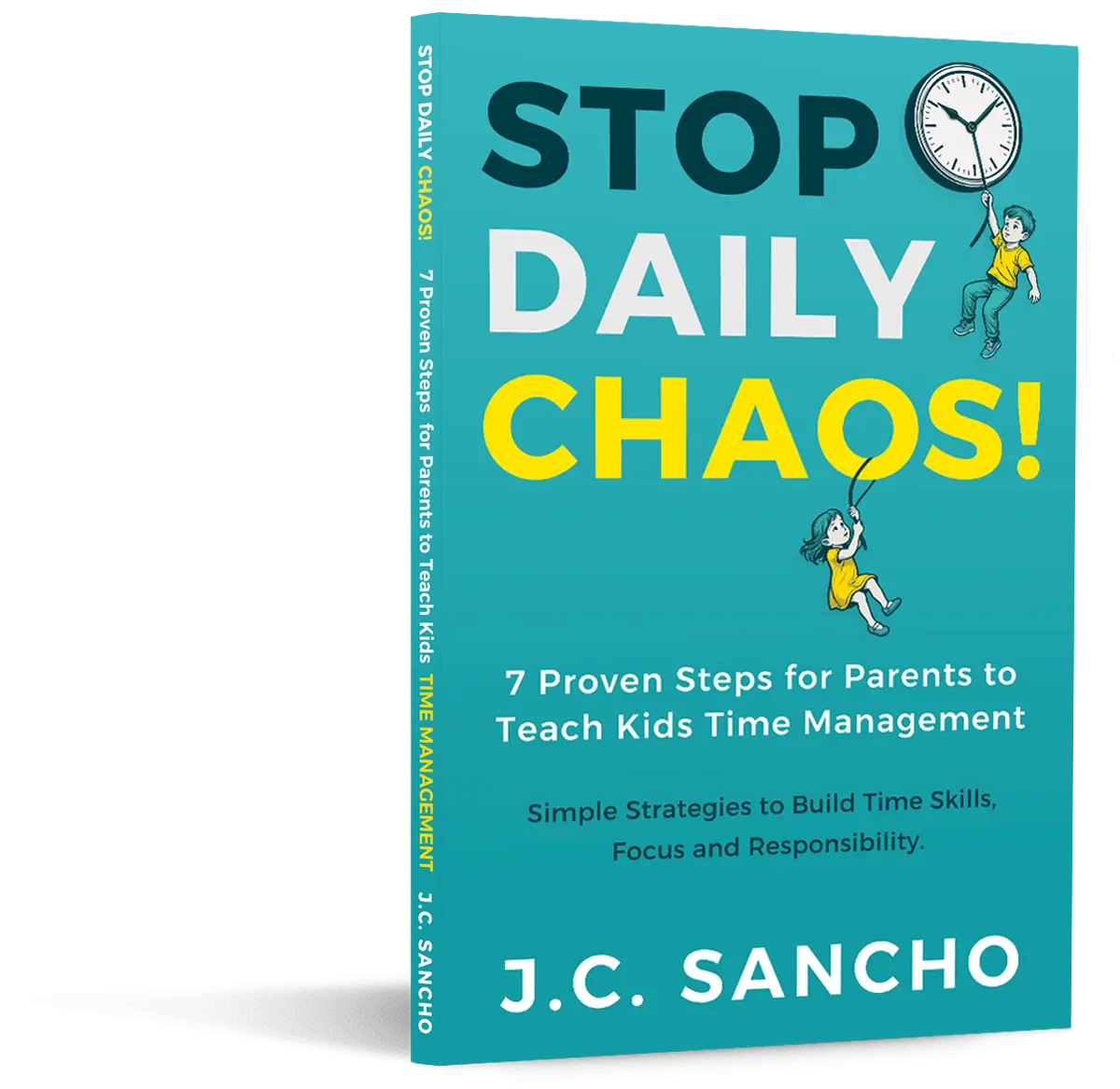
A Practical Guide to Time Management Skills for Kids
Most parents have lived this scene: it’s 8:12 a.m., one child can’t find their shoes, another forgot about a project due today, and you’re calculating how late everyone will be. Or it’s 9:47 p.m., and your teen just started homework that was assigned last week. You’re not alone. Many families struggle with routines, transitions, procrastination, and the daily scramble.
The good news is that time management skills for kids are teachable. They are not personality traits a child either has or doesn’t have. With the right parenting strategies, grounded in behavior science and emotional safety, children can learn to plan, prioritize, and follow through—without shame or constant nagging.
This guide offers practical, developmentally appropriate steps you can use with toddlers, school-age kids, and teens. Think of it as coaching, not controlling. You’re helping your child build a lifelong skillset that supports independence, confidence, and well-being.
What Time Management Really Means (and Why It Matters)
Time management is the ability to understand time, estimate how long tasks take, plan ahead, prioritize, and complete tasks within a reasonable timeframe. For kids, this also includes transitioning between activities, tolerating boredom, and managing distractions.
Under the hood, time management relies heavily on executive functions—brain-based skills that include working memory, impulse control, flexible thinking, and planning. These skills develop gradually from early childhood into the mid-20s. That’s why your eight-year-old forgetting their backpack isn’t defiance; it’s development.
Why it matters:
- Academic success: Children who can plan and organize are more likely to complete assignments and meet deadlines.
- Emotional regulation: Rushed mornings and last-minute stress spike cortisol (the body’s stress hormone), which affects mood and focus.
- Family harmony: Predictable routines reduce power struggles and decision fatigue.
- Long-term resilience: Teens who manage time well report lower stress and better sleep.
According to the American Academy of Pediatrics, consistent routines and supportive scaffolding help children build self-regulation—an essential foundation for managing time effectively.
Time management is not about squeezing productivity out of children. It’s about helping them feel capable in their own lives.
Build the Foundation: Routines That Create Safety and Predictability
Children manage time better when their nervous systems feel safe. Predictable routines reduce cognitive load—the mental effort required to make decisions. When fewer choices are made in the moment, more energy is available for learning and problem-solving.
Step-by-Step: Creating a Strong Daily Routine
- Anchor the day: Identify consistent wake-up, meal, homework, and bedtime windows.
- Externalize the plan: Use a visual schedule (pictures for toddlers, written checklist for older kids).
- Rehearse transitions: Practice the routine when you’re not rushed.
- Preview and remind: Offer a five-minute warning before transitions.
Micro-script for transitions:
“In five minutes, we’re turning off the TV and starting homework. What’s your plan for getting started?”
For toddlers, use body-based cues: “After snack, we put on shoes.” For teens, collaborate: “What time feels realistic to start studying so you’re not up too late?”
Takeaway: Routines aren’t rigid—they’re supportive scaffolds that reduce chaos and help kids practice predictability.
Make Time Visible: Tools That Turn Abstract into Concrete
Time is abstract. Young children, especially, struggle with concepts like “later” or “soon.” Making time visible helps bridge this gap.
Practical Tools by Age
- Toddlers/Preschoolers: Visual timers, picture schedules, “first-then” boards.
- Elementary: Wall calendars, color-coded homework planners, timer blocks (15–20 minutes).
- Teens: Digital calendars, task apps, backward planning sheets for long-term projects.
Teach Time Estimation
Ask your child to guess how long a task will take. Then time it. Compare and adjust. This builds metacognition—thinking about thinking.
Micro-script:
“How long do you think math will take? Let’s set a timer and see.”
Over time, your child becomes more accurate, which reduces last-minute panic.
Takeaway: When time is visible and measurable, it becomes manageable.
Break It Down: Teaching Planning in Small Steps
“Clean your room” is overwhelming. “Put books on the shelf” is actionable. Kids procrastinate when tasks feel too big or unclear.
How to Teach Task Breakdown
- Define the end goal together.
- List small, specific steps.
- Estimate time for each step.
- Schedule them realistically.
Example for a science project:
- Choose topic (20 minutes).
- Research (two 30-minute sessions).
- Create outline (30 minutes).
- Build presentation (two 45-minute sessions).
Micro-script:
“Big projects can feel heavy. Let’s make this lighter by splitting it up.”
Takeaway: Planning is a learned skill. Model it, practice it, and normalize revising it.
Prioritizing Without Pressure
Not all tasks are equal. Teaching kids to identify what’s urgent versus important helps them make thoughtful choices.
Simple Priority Framework
- Must do: Due tomorrow or essential.
- Should do: Important but not urgent.
- Nice to do: Optional or enrichment.
For teens, introduce backward planning: start with the due date and work backward to schedule milestones.
Micro-script:
“What needs your attention first? What can wait?”
This approach builds autonomy rather than compliance.
Takeaway: Prioritizing is about clarity, not pressure.
Body Literacy: Understanding Energy and Focus
Time management is not just cognitive—it’s physical. Body literacy means helping kids notice signals like hunger, fatigue, or restlessness that affect productivity.
Research from sleep and pediatric health organizations shows that school-age children need 9–12 hours of sleep, and teens need 8–10 hours. Chronic sleep deprivation impairs attention and planning.
Teach Kids to Check In
- “Are you hungry or tired?”
- “Do you need a movement break?”
- “Is your brain feeling full?”
Encourage 5-minute resets: stretching, water, stepping outside. This supports the nervous system and restores focus.
Takeaway: Productive time depends on regulated bodies.
When Motivation Is Low: Use Connection Before Correction
If your child resists starting tasks, pause before escalating. Resistance often signals overwhelm, fear of failure, or fatigue—not laziness.
Connection-Based Micro-Scripts
“It looks like getting started feels hard. Want help with the first step?”
“Are you worried about doing it perfectly?”
Once connected, shift to structure: “Let’s try 10 minutes together.”
This approach aligns with behavior science: connection reduces stress, and lower stress improves executive function.
Takeaway: Kids do better when they feel understood.
Where Parents Often Get Stuck (and How to Pivot)
The Nagging Loop
Repeated reminders without systems create tension. Instead, shift to visual cues and shared planning.
Over-Rescuing
Jumping in to fix forgotten homework prevents learning. Natural consequences—paired with empathy—teach responsibility.
“That’s disappointing. What’s your plan for next time?”
Expecting Adult-Level Skills
Remember developmental timelines. A six-year-old won’t plan like a sixteen-year-old.
All-or-Nothing Thinking
Progress is uneven. Celebrate partial improvements.
Pivot Strategy Checklist:
- Pause and regulate yourself first.
- Name the skill being built.
- Offer scaffolding instead of control.
- Reflect afterward, not mid-conflict.
Deepening the Work: Raising a Future Adult
Time management isn’t just about today’s homework. It’s about cultivating ownership, self-trust, and long-term habits.
Shift from Manager to Coach
Instead of directing, ask guiding questions:
“What worked well this week?”
“What would you adjust?”
Model What You Want to See
Let your child hear you plan: “I’m putting this on my calendar so I don’t forget.” Modeling normalizes imperfection and revision.
Encourage Reflection Rituals
Weekly 10-minute family check-ins build metacognition and accountability without shame.
Takeaway: The goal is not perfect compliance. It’s growing competence.
Real-World Questions Parents Ask
What if my child has ADHD or executive functioning challenges?
Children with ADHD often need more external structure, shorter work intervals, and movement breaks. Visual systems and collaborative planning are especially helpful. Consult a pediatrician or qualified professional for individualized guidance. (This article is for educational purposes and not a substitute for medical advice.)
How early can I teach time management skills?
As early as toddlerhood through simple routines and “first-then” language. Skills become more explicit in elementary years.
Should I use rewards?
Short-term incentives can help launch new habits, but intrinsic motivation grows when children feel competent and autonomous. Focus on skill-building over bribery.
My teen procrastinates constantly. What helps most?
Break tasks into small steps, use time blocks (25-minute sessions), and address fear of imperfection. Maintain connection first.
Further Reading
- American Academy of Pediatrics – HealthyChildren.org (routines, executive function)
- CDC – Child Development Basics
- Child Mind Institute – Executive Function Resources
- Mayo Clinic – Sleep Guidelines for Children and Teens
Teaching time management skills for kids is less about controlling the clock and more about cultivating capability. When you approach this work with clarity, compassion, and consistent parenting strategies, your child learns something deeper than punctuality. They learn, “I can handle my life.”
There will still be rushed mornings. There will still be forgotten folders. Growth is gradual. But every small skill practiced—every checklist made together, every calm reset—builds a foundation your child will stand on long after they leave your home.
You’re not just managing time. You’re shaping a confident, self-directed human being. And that work matters.