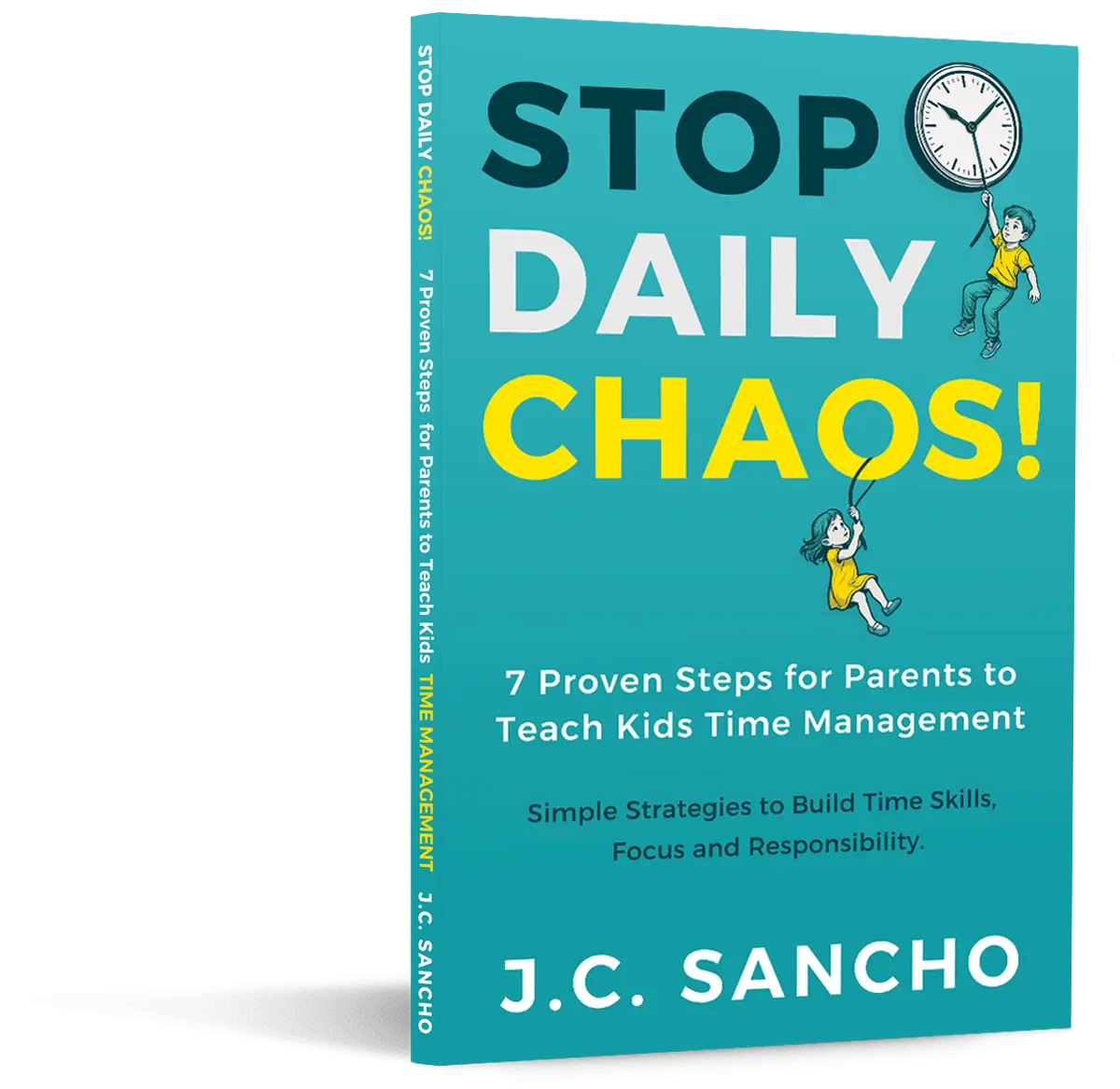
Supporting Children Through Focus and Attention Difficulties
Few parenting moments feel as discouraging as watching your child struggle to focus. You repeat directions. They drift away mid-sentence. Homework stretches for hours. Teachers send notes. You start to wonder: Is this normal? Is something wrong? Am I missing something?
Focus and attention difficulties are incredibly common across toddlerhood, childhood, and adolescence. They can show up as distractibility, impulsivity, forgetfulness, zoning out, or intense bursts of energy followed by mental fatigue. For caregivers and educators, the daily challenge isn’t just getting through tasks—it’s preserving your child’s confidence and your relationship in the process.
This guide offers clarity, compassion, and practical behavior support grounded in behavior science and emotional safety. You’ll find step-by-step strategies, realistic micro-scripts, and mindset shifts that help children build attention skills while feeling understood—not shamed.
What Focus and Attention Difficulties Really Mean—and Why They Matter
Focus is the ability to direct mental energy toward a task. Attention is the capacity to sustain that focus over time and shift it when needed. These skills are part of what researchers call executive functioning—the brain’s management system that supports planning, impulse control, working memory, and organization.
When children experience focus and attention difficulties, it’s rarely about laziness or defiance. Often, it reflects developmental timing, stress load, sensory processing differences, sleep issues, learning differences, anxiety, trauma exposure, or neurodevelopmental conditions such as ADHD (attention-deficit/hyperactivity disorder).
Why this matters: repeated negative feedback about attention can quietly erode self-esteem. Children begin to internalize labels like “lazy,” “careless,” or “bad.” Research consistently shows that emotional safety—feeling accepted and understood—is foundational for learning and behavior change.
Attention is not just a skill; it’s a capacity shaped by biology, environment, relationships, and practice. The good news: it can be strengthened.
Start With Regulation: The Body Before the Brain
A dysregulated nervous system cannot sustain attention. When a child is tired, hungry, overstimulated, anxious, or under-challenged, their body sends signals that override focus. Supporting attention starts with body literacy—the ability to notice and respond to physical cues.
Step 1: Identify Regulation Clues
- Does your child slump, wiggle, or leave their seat after 10 minutes?
- Do they focus better in the morning than late afternoon?
- Are transitions especially hard?
- Do they seek movement or deep pressure (leaning, squeezing)?
Patterns reveal needs. A child who fidgets may need movement, not discipline.
Step 2: Build Regulation Routines
- Consistent sleep and wake times
- Protein-rich snacks every 3–4 hours
- Movement breaks before cognitive tasks
- Visual schedules to reduce uncertainty
Micro-script: “Your body looks wiggly. Let’s do 20 jumping jacks, then try again.”
Takeaway: Regulation first. Attention second.
Create an Environment That Supports Focus
Behavior science teaches us that behavior is shaped by environment. Instead of repeatedly correcting inattention, adjust the setting.
Design for Fewer Distractions
- Clear workspace; remove extra materials
- Use noise-canceling headphones or soft background sound
- Seat child away from high-traffic areas
- Use bins and labels to reduce visual clutter
Make Tasks Visible and Finite
Children sustain focus better when tasks feel manageable.
- Use a timer: “Work for 10 minutes, then break.”
- Break assignments into 3 small steps instead of one large one.
- Highlight only the problems to complete.
Micro-script: “You only need to finish these five questions. Then you’re done.”
Takeaway: Reduce cognitive load. Make success visible.
Use Behavior Support That Teaches Skills
Effective behavior support isn’t about rewards or punishments alone. It’s about teaching replacement skills and reinforcing effort.
Teach What “Focus” Looks Like
Children benefit from explicit instruction.
- “Eyes on paper.”
- “Pencil moving.”
- “Quiet mouth.”
Practice during low-stress moments. Role-play for one minute at a time.
Reinforce Effort, Not Just Outcome
Praise should be specific and immediate.
Instead of: “Good job.”
Try: “You kept working even when it felt hard. That’s persistence.”
Behavior science shows that behaviors followed by positive reinforcement are more likely to repeat. Reinforcement can be verbal acknowledgment, a sticker, extra reading time, or shared laughter.
Use the “When–Then” Structure
This provides predictability without threats.
Micro-script: “When math is finished, then you can play outside.”
Takeaway: Attention grows when children know exactly what to do and feel seen for trying.
Strengthen Executive Functioning Through Practice
Executive functioning skills develop gradually into early adulthood. You can strengthen them intentionally.
Working Memory Builders
- Play “repeat the sequence” games
- Ask child to carry out 2-step directions, then 3-step
- Use visual checklists
Impulse Control Practice
- Games like “Red Light, Green Light”
- Cooking tasks that require waiting
- Mindful breathing for 30 seconds before transitions
Planning Skills
- Weekly preview: “What’s coming up?”
- Homework planner reviewed nightly
- Break projects into timeline steps
Takeaway: Attention isn’t demanded—it’s trained gently over time.
Protect Emotional Safety While Correcting Behavior
Children with focus and attention difficulties often receive frequent correction. Over time, they may anticipate failure. Your tone matters as much as your strategy.
Separate the child from the behavior. “This homework isn’t finished” is different from “You’re not trying.”
Micro-script for redirection: “I see you’re stuck. Let’s reset together.”
Repair quickly if frustration spills out. “I sounded sharp. I’m sorry. Let’s try again.”
Connection is not permissiveness. It’s the foundation that allows skill-building to stick.
Where Parents and Educators Often Get Stuck
1. Interpreting Inattention as Defiance
When a child doesn’t respond, adults may escalate. Instead, ask: Is this skill-based or will-based? Most often, it’s skill-based.
2. Overloading With Verbal Instructions
Long explanations overwhelm working memory. Keep directions brief and concrete.
3. Inconsistent Routines
Irregular sleep, screen use before bed, and unpredictable schedules worsen attention capacity.
4. Comparing to Siblings or Peers
Comparison fuels shame and rarely improves behavior.
Navigation tip: Track small wins weekly. Improvement may be gradual but meaningful.
Deepening the Work: Mindset, Identity, and Long-Term Habits
Long-term support goes beyond daily homework battles. It shapes how children understand themselves.
Adopt a Growth Lens
Say: “Your brain is learning how to focus longer.” This reinforces neuroplasticity—the brain’s ability to change through experience.
Encourage Self-Awareness
Ask reflective questions:
- “When do you focus best?”
- “What helps you concentrate?”
- “What makes it harder?”
This builds metacognition—thinking about thinking.
Collaborate With Schools
Teachers can implement behavior support plans, seating adjustments, or structured breaks. If attention challenges significantly impair learning or daily functioning, a pediatrician or psychologist can evaluate for ADHD or related concerns.
This article is for educational purposes and is not a substitute for medical or mental health evaluation.
Normalize Differences
Many creative, entrepreneurial, and innovative adults describe childhood focus and attention difficulties. The goal is not to change temperament, but to equip children with tools to thrive within it.
Takeaway: Your child is more than their attention span.
Quick Answers to Questions Parents Often Ask
Is this just normal childhood behavior?
Some distractibility is developmentally typical, especially under age seven. Concern arises when attention difficulties are persistent, occur across settings, and significantly impact learning or relationships.
Does screen time cause attention problems?
High amounts of fast-paced digital stimulation may reduce frustration tolerance and sustained attention in some children. Balanced use, clear limits, and device-free sleep routines support healthier focus.
Should I use rewards?
Yes—when used thoughtfully. Rewards should reinforce effort and skill practice, not shame. Pair them with coaching and relationship connection.
When should I seek professional support?
If your child’s focus and attention difficulties interfere with academic progress, friendships, or emotional well-being despite consistent support strategies, consult your pediatrician or a licensed psychologist.
Further Reading
- American Academy of Pediatrics (AAP) – ADHD and executive functioning resources
- Centers for Disease Control and Prevention (CDC) – Attention-Deficit/Hyperactivity Disorder
- Child Mind Institute – Guides on attention and learning differences
- Mayo Clinic – Overview of ADHD symptoms and treatment options
Moving Forward With Confidence
Supporting a child with focus and attention difficulties asks a lot of you. Patience. Creativity. Emotional steadiness. It’s easy to slip into self-doubt.
But here’s what matters most: children grow best in environments where they feel safe, understood, and coached—not criticized. Attention skills are built step by step, through structure, practice, and connection.
You are not just managing behavior. You are shaping how your child experiences effort, frustration, and resilience. With clear strategies, compassionate behavior support, and steady belief in their capacity to grow, attention becomes not a daily battle—but a skill unfolding over time.