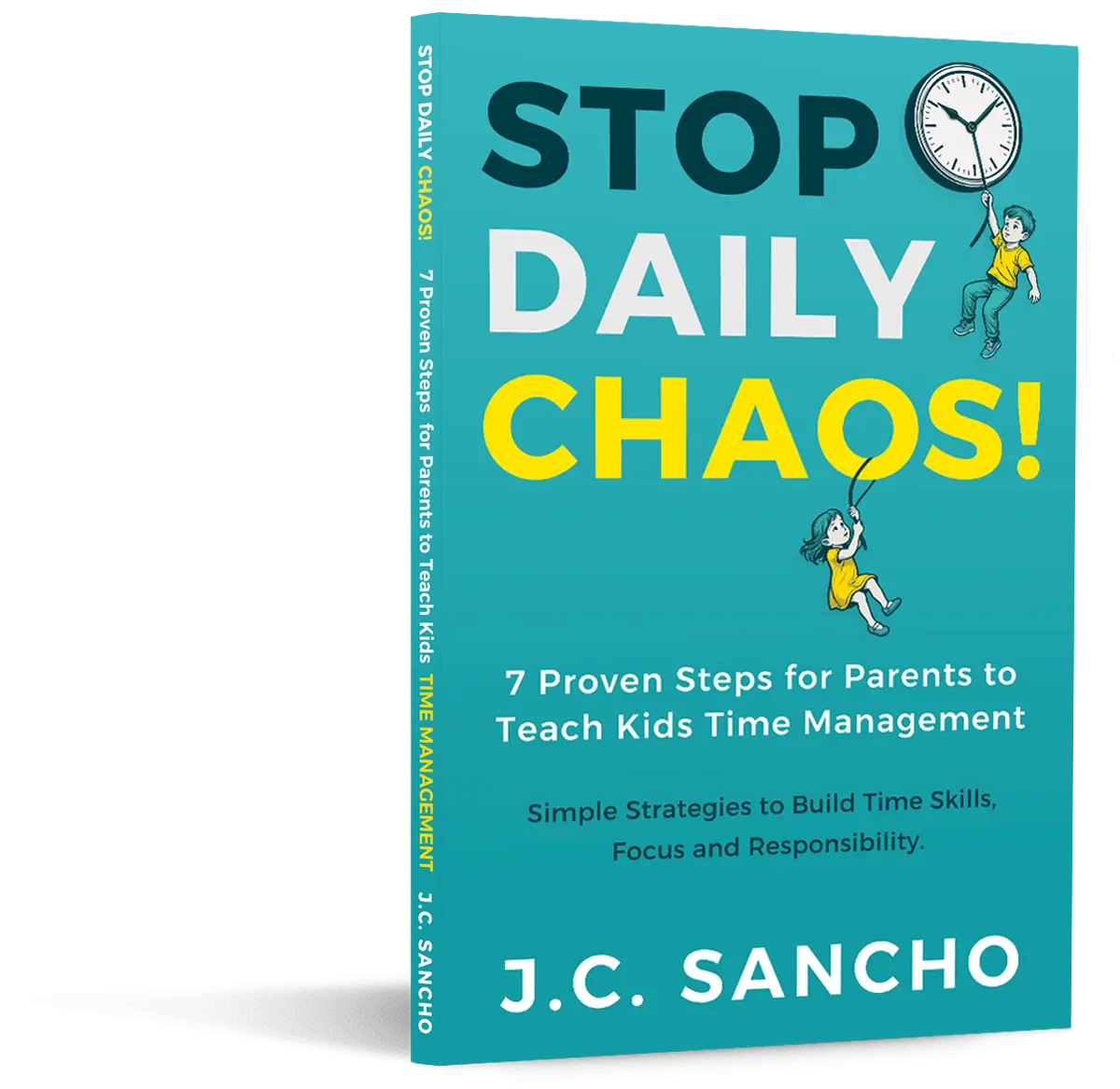
It’s a common sight in many households: children struggling to keep track of their homework, misplacing their belongings, forgetting about upcoming deadlines. If this rings true for your family, you’re not alone. The good news is that these challenges can be overcome with the right tools and strategies to boost your child’s executive function skills.
Understanding Executive Function Skills
The term ‘executive function skills’ refers to the mental processes that enable us to plan, focus attention, remember instructions, and juggle multiple tasks successfully. These skills are critical for learning and development and help kids stay organized in their daily lives.
Research has shown that strong executive function skills can lead to better school performance, improved social abilities, and greater emotional well-being in children. As parents or caregivers, it’s essential we understand these skills and how we can support our children in developing them.
Main Strategies: Boosting Your Child’s Executive Function Skills
1. Use Planners Effectively
One of the most effective tools for boosting executive function skills is a planner. A planner helps children visualize their tasks and deadlines which aids in planning and prioritizing.
- Create a routine: Encourage your child to use the planner at the same time each day – perhaps after school or before bedtime – to review what needs accomplishing the next day.
- Add visuals: For younger children who cannot yet read or write fluently, consider using stickers or drawings instead of words in their planners.
- Praise progress: Celebrate when your child completes tasks on time as planned. Positive reinforcement will motivate them to continue using the planner.
2. Incorporate Timers
Timers can be a great tool for helping children manage their time effectively, another crucial executive function skill.
- Break down tasks: Use a timer to break down larger tasks into manageable chunks of time. This can make overwhelming assignments feel more doable and help keep your child focused.
- Pomodoro Technique: Try the Pomodoro Technique where work is broken up into 25-minute intervals (or ‘Pomodoros’) followed by a 5-minute break.
- Visual timers: For younger kids, visual timers that show time passing can be particularly effective.
Navigating The Obstacle Course: Common Challenges And How To Overcome Them
The journey to improving executive function skills isn’t always smooth sailing. Here are some common obstacles parents might encounter and how to navigate them effectively.
Frustration With Planning Tools
If your child becomes frustrated with using planners or timers, it’s important not to force these tools upon them. Instead, sit down together and discuss why they’re feeling this way. Perhaps they need a different type of planner or timer – one that better suits their needs and preferences. Remember, the goal is not just about using these tools; it’s about developing stronger executive function skills overall.
Lack Of Consistency
Maintaining consistency can be challenging but is critical for success. If you notice your child skipping their routine with their planner or timer, gently remind them of its importance without being punitive. It may take some trial and error before you find what works best for your family – that’s okay!
Going Deeper: Cultivating A Growth Mindset
While using planners and timers can greatly support your child’s executive function skills, it’s also important to cultivate a growth mindset in them. This means helping them understand that abilities can be developed through dedication and hard work.
When they encounter difficulties or make mistakes – as they inevitably will – emphasize that this is part of the learning process. Encourage them to see these challenges not as insurmountable obstacles but as opportunities for growth and improvement.
Inquiries And Insights: Your Questions Answered
In this section, we address some common questions parents may have about executive function skills and how to support their children in developing them.
1. At what age should my child start using a planner?
There’s no one-size-fits-all answer to this question as it depends on the individual child. However, many children can start benefiting from using a basic planner from around age six or seven.
2. My child has ADHD. How can I help improve their executive function skills?
Kids with ADHD often struggle with executive function skills more than their peers do. In addition to the strategies outlined above, consider seeking guidance from professionals who specialize in ADHD and executive functioning like psychologists or occupational therapists.
3. Can digital tools like apps help boost my child’s executive function skills?
Absolutely! There are numerous apps designed specifically to help kids improve these skills. Just remember that while digital tools can be beneficial, they’re most effective when used alongside traditional methods like paper planners and face-to-face discussions about planning and time management.
Fostering Future Success
The journey to boost your child’s executive function skills may be filled with ups and downs, but remember: each step you take is setting the foundation for their future success. By providing them with the right tools and strategies – and more importantly, by fostering a growth mindset in them – you’re helping equip them for life’s many challenges and opportunities.
Take heart in knowing that every effort you make contributes to their long-term well-being, academic success, social relationships, and overall happiness. You’re doing a great job!
Note: If your child continues to struggle significantly with executive function skills despite implementing these strategies, it may be helpful to seek advice from a healthcare or educational professional.
Further Reading
- Center on the Developing Child at Harvard University. (n.d.). Executive Function & Self-Regulation.
- American Academy of Pediatrics. (2020). School-Based Cognitive Behavioral Therapy Can Help Children with Anxiety and Depression.
- The Child Mind Institute. (2021). How Using a Timer Can Help Your Child.