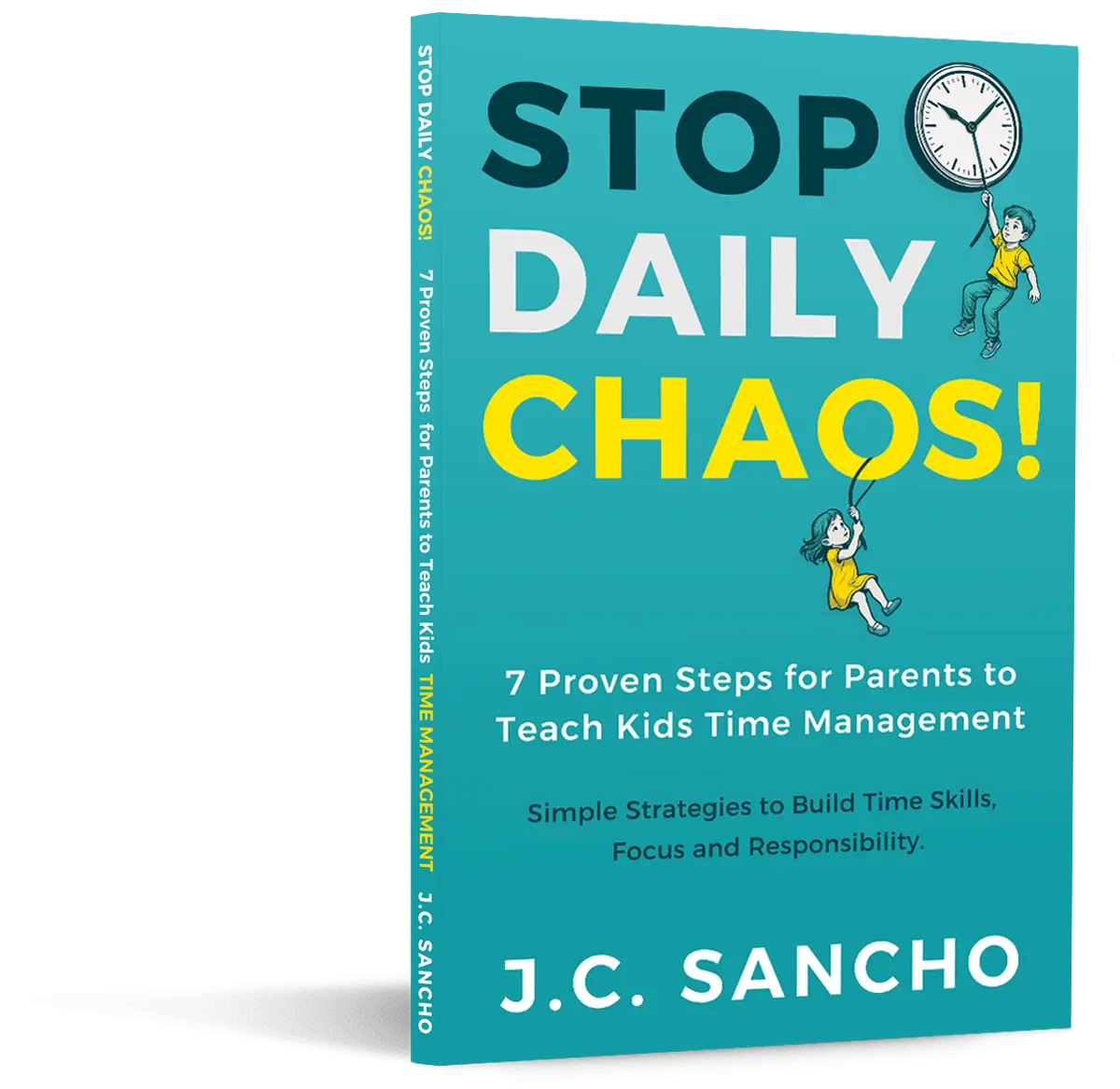
Building Independence in Children: What Parents Need to Understand
Every parent has felt it: the tug between wanting to protect your child and knowing you can’t do everything for them forever. Whether it’s a toddler insisting “me do it!” or a teenager pushing for more freedom, the drive toward independence is not defiance—it’s development. And how we respond shapes far more than behavior in the moment. It shapes confidence, resilience, and long-term mental health.
Building independence in children isn’t about stepping back completely. It’s about stepping back strategically. When parents understand how independence unfolds across child development, and how emotional safety fuels autonomy, they can guide growth without sacrificing connection. This article will walk you through what independence really means, why it matters, and how to nurture it with clarity and compassion.
What Independence Really Means (and Why It Matters)
In child development, independence refers to a child’s growing ability to think, decide, regulate emotions, and act without constant adult direction. It includes practical skills—like dressing, homework management, or budgeting—but it also includes emotional and cognitive capacities: problem-solving, self-advocacy, and managing disappointment.
Behavior science shows that autonomy is a core human need. Self-Determination Theory, a well-established psychological framework, identifies autonomy (feeling in control of one’s actions) as essential for motivation and well-being. When children feel capable and trusted, they’re more likely to cooperate, persist through challenges, and develop internal motivation rather than relying on rewards or fear of punishment.
Independence also builds body literacy—the ability to recognize internal signals such as hunger, fatigue, anxiety, or excitement. A child who can say, “I’m overwhelmed” instead of melting down is demonstrating independence in emotional awareness. That skill protects mental health long term.
Research from organizations like the American Academy of Pediatrics (AAP) consistently highlights that autonomy-supportive parenting is linked to better academic outcomes, stronger self-esteem, and lower anxiety. Independence isn’t a luxury skill; it’s foundational.
Start With Emotional Safety: The Soil That Grows Confidence
Children cannot build independence in a state of fear or chronic stress. Emotional safety—knowing they are loved, seen, and supported even when they struggle—is the ground from which autonomy grows.
What Emotional Safety Looks Like
- Feelings are acknowledged, not dismissed.
- Mistakes are treated as learning opportunities.
- Limits are firm but respectful.
- Connection is not withdrawn when a child misbehaves.
When a toddler spills milk and hears, “Spills happen. Let’s clean it up together,” they learn capability. When a teen forgets homework and hears, “What’s your plan to handle this?” instead of “I can’t believe you forgot again,” they learn accountability without shame.
Micro-Script for Emotional Safety
Step 1: Name the feeling. “You’re frustrated that this is hard.”
Step 2: Express confidence. “I know you can figure this out.”
Step 3: Offer support without taking over. “Do you want a hint or to try again?”
Takeaway: Connection first. Problem-solving second. Emotional safety fuels independence.
Teach Skills, Don’t Rescue: The Power of Gradual Release
Many parents accidentally block independence by over-helping. It often comes from love—or from time pressure. But when adults repeatedly step in too quickly, children internalize, “I can’t do this.”
The antidote is gradual release: a structured approach where responsibility shifts from adult to child over time.
The “I Do, We Do, You Do” Method
- I Do: Model the task while thinking aloud. “First I gather my clothes, then I sort them by color.”
- We Do: Practice together. “You sort; I’ll check.”
- You Do: Step back. “You’ve got this. I’m nearby if you need me.”
This method works across ages—from tying shoes to managing a part-time job schedule.
Age-Appropriate Independence Examples
Toddlers: Choosing between two outfits, cleaning up toys with guidance.
Elementary-aged children: Packing lunch, managing homework checklist.
Teens: Scheduling appointments, budgeting allowance, planning study time.
Takeaway: Independence grows through practice, not pressure.
Use Boundaries as a Framework, Not a Cage
Freedom without structure feels overwhelming. Structure without freedom feels suffocating. Healthy independence lives in the middle.
Clear boundaries provide predictability. Predictability lowers stress, which allows the brain’s executive functions—planning, impulse control, decision-making—to develop.
How to Offer Choice Within Limits
- “Homework needs to be done tonight. Do you want to start before or after dinner?”
- “You need a coat. Do you prefer the blue one or the green one?”
- “You can use screens after chores are complete.”
Choice communicates trust. Limits communicate safety.
Takeaway: Independence isn’t the absence of rules; it’s learning to operate responsibly within them.
Let Natural Consequences Teach—Safely
Natural consequences are outcomes that happen without parental punishment. They are powerful teachers when used thoughtfully.
If a child forgets their homework, experiencing a lower grade can motivate change more effectively than a lecture. If a teen overspends allowance, having less money for extras builds budgeting awareness.
The key distinction: consequences must be safe and proportionate. We don’t allow dangerous outcomes. We allow manageable discomfort.
Micro-Script for Natural Consequences
“I know that’s disappointing. What will you do differently next time?”
This approach keeps dignity intact while reinforcing accountability.
Takeaway: Resist rescuing from every discomfort. Growth requires tolerating small failures.
Build Body Literacy and Emotional Regulation
Independence isn’t just doing tasks alone. It’s managing internal experiences. Body literacy—the ability to notice physical cues—supports emotional regulation and decision-making.
Teach children to identify signals like tight shoulders (stress), a growling stomach (hunger), or racing heart (anxiety). Labeling sensations activates the brain’s reasoning centers, reducing emotional reactivity.
Simple Body Literacy Practice
- Pause during calm moments.
- Ask: “What does your body feel like right now?”
- Connect sensation to action: “Sounds like you’re tired. What helps when you feel that way?”
Teens especially benefit from understanding how sleep deprivation, nutrition, and screen use affect mood and concentration. According to the CDC, adolescents need 8–10 hours of sleep for optimal functioning—yet many get less. Teaching teens to track how sleep affects their mood builds lifelong self-management.
This content is for educational purposes only and is not a substitute for medical advice.
Takeaway: When children understand their bodies, they make wiser independent choices.
Where Parents Get Stuck (and How to Move Forward)
The Over-Functioning Trap
When parents manage everything, children under-function. If you often think, “It’s faster if I just do it,” pause. Efficiency today may cost competence tomorrow.
Shift: Build extra time for learning. Expect imperfection.
The Fear Spiral
News cycles and social media amplify danger. While vigilance is important, chronic fear can lead to overprotection, limiting growth opportunities.
Shift: Evaluate actual risk versus discomfort. Discomfort is not danger.
The Shame Reflex
When a child struggles, it can trigger embarrassment or frustration in adults. Shame-based responses—sarcasm, comparisons, threats—undermine independence by tying mistakes to identity.
Shift: Separate behavior from worth. “That choice didn’t work” instead of “You’re irresponsible.”
The All-or-Nothing Leap
Suddenly granting full freedom without scaffolding can backfire.
Shift: Increase responsibility gradually. Independence is a ramp, not a cliff.
Deepening the Work: Raising a Capable, Connected Human
Long-term independence grows from mindset as much as skill. Children internalize the beliefs we communicate—explicitly and implicitly.
Adopt a Coaching Stance
Instead of directing, ask guiding questions:
- “What’s your plan?”
- “What might happen if…?”
- “What support do you need?”
Coaching communicates trust in their thinking brain.
Normalize Effort and Struggle
Growth mindset research shows that praising effort rather than innate talent builds resilience. Replace “You’re so smart” with “You worked hard on that.”
Model Independence Yourself
Children watch how adults handle stress, boundaries, and mistakes. When you say, “I forgot that appointment. I’ll fix it,” you demonstrate accountability without shame.
Balance Attachment and Autonomy
Secure attachment—the deep sense of being loved and safe—does not conflict with independence. It enables it. Teens who feel securely attached are more likely to explore responsibly because they know they have a stable base.
Long-term habit: Maintain regular connection rituals (weekly walks, bedtime chats, shared meals). Independence without connection feels isolating. Connection without independence feels stifling.
Questions Parents Often Wonder About
How do I know if I’m expecting too much independence?
If your child shows chronic anxiety, frequent shutdown, or intense resistance, expectations may exceed developmental readiness. Adjust support, not standards. Growth should stretch, not snap.
What if my child refuses responsibility?
Check for skill gaps before assuming defiance. Ask, “Do you know how to start?” Break tasks into smaller steps. Resistance often signals overwhelm.
Does building independence in children make them less close to me?
No. Research consistently shows that autonomy-supportive parenting strengthens trust. Children feel respected, which deepens connection.
How do independence needs differ between toddlers and teens?
Toddlers seek physical autonomy (“I do it”). Teens seek identity autonomy (“I choose who I am”). Both require boundaries and emotional safety, tailored to developmental stage.
Further Reading
- American Academy of Pediatrics (AAP) – HealthyChildren.org
- Centers for Disease Control and Prevention (CDC) – Child Development Milestones
- Child Mind Institute – Parenting and Mental Health Resources
- Harvard Center on the Developing Child – Executive Function Research
Building independence in children is not about pushing them away. It’s about preparing them to stand on their own—with confidence, empathy, and self-trust. There will be messy rooms, forgotten assignments, and uncomfortable learning curves. That’s not failure. That’s development in motion.
When you respond with steadiness instead of shame, curiosity instead of control, you teach your child something profound: “You are capable. You are supported. You can grow.” And over time, they begin to believe it—not because you told them, but because they experienced it.