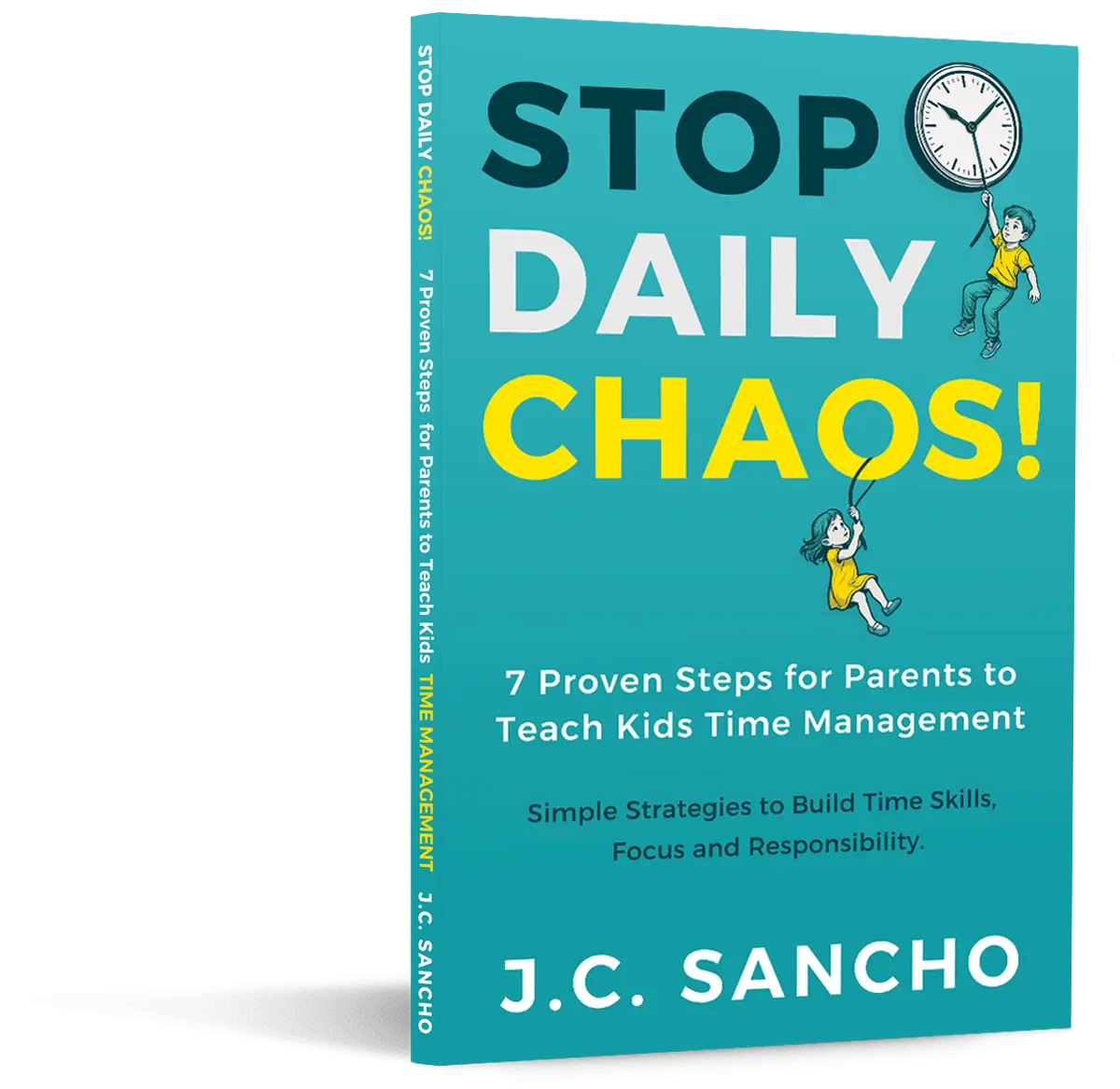
Step-parenting can be like navigating an unknown terrain. Yet, it’s a journey undertaken by countless adults who step into this role with hope, love, and commitment. The path may seem steep, but understanding the dynamics of your new family structure can help you build trust and establish routines that foster harmony.
The Dynamics of Step-Parenting: Understanding Your Role
Step-parenting introduces a unique set of challenges and opportunities in the parenting landscape. It involves stepping into pre-established familial relationships and dynamics while forging new bonds with children who may have varying levels of acceptance towards their new parent.
The role you play as a step-parent is pivotal to the emotional well-being of your stepchildren and the overall health of your blended family. You’re not just an added adult figure in their lives; you’re also a provider, supporter, mediator, mentor – all wrapped in one package.
Navigating Relationships: Building Trust as a Step-Parent
A key ingredient for successful step-parenting is building trust with your stepchildren. This doesn’t happen overnight but evolves over time through consistent actions.
Step-by-step guide to building trust:
- Show Empathy: Understand their feelings and assure them that it’s okay to feel uncertain or scared about changes.
- Be Consistent: Consistency in behavior helps children feel safe and secure around you.
- Show Respect: Respect their space, feelings, opinions – no matter how different they are from yours.
- Patient Listening: Listen more than you speak to understand their concerns or fears.
- Stay Committed: Show them through your actions that you’re there for the long haul, not just as a temporary figure in their lives.
Establishing Routines: Creating Structure and Stability
Routines provide predictability, a sense of control, and comfort to children. They are even more crucial in a blended family setting where everything seems new and uncertain to the child.
Tips for establishing effective routines:
- Involve Children in Decision Making: Make them feel important by involving them in decisions about daily routines.
- Maintain Existing Routines: Where possible, maintain their existing routines to minimize disruption.
- Create New Routines Together: Build new family traditions that help create shared memories and bonds.
The Slippery Slopes of Step-Parenting: Common Challenges
No journey is without hurdles, and step-parenting is no exception. Identifying these challenges can better prepare you to handle them effectively when they arise.
- Navigating Loyalties: Children might feel torn between biological parents and step-parents. Patience and understanding are key here.
- Coping with Rejection: Not all children will be welcoming initially. It’s important not to take this personally.
- Different Parenting Styles: Your parenting style may differ from your partner’s or the child’s other biological parent. Open communication can help align approaches.
Beyond the Basics: Deepening Your Role as a Step-Parent
To thrive as a step-parent requires moving beyond mere coexistence towards fostering deeper connections with your stepchildren.
- Build Individual Relationships: Spend quality time with each child individually to understand them better.
- Positive Reinforcement: Appreciate their efforts and achievements to build their confidence.
- Foster a Team Spirit: Encourage activities that foster a sense of team spirit and belonging in your blended family.
The Step-Parent’s Corner: Answers to Your Burning Questions
In this section, we answer some of the most common questions new step-parents often grapple with.
- How can I cope with feelings of being an outsider in my own family?
- What if my stepchild rejects me?
- Should I discipline my stepchild?
This feeling is common among new step-parents. It’s important to remember that building relationships takes time. Engage in shared activities, communicate openly, and show empathy towards your stepchildren.
This can be heartbreaking but try not to take it personally. Be patient, persistent, and understanding. Over time, as trust builds, the relationship will likely improve.
This depends on various factors like the age of the child and how long you’ve been in their life. Discuss this with your partner and approach it as a unified front.
A Step Forward: Embracing Your Journey as a Step-Parent
The journey into step-parenting may seem daunting at first glance – but remember that every challenge presents an opportunity for growth. With patience, understanding, consistency – you’ll not just navigate this terrain successfully but also enrich it with lasting bonds of love and trust.
Educational Disclaimer:
The information provided here is intended for general knowledge only and does not substitute professional medical advice or treatment for specific medical conditions.
Further Reading
- American Academy of Pediatrics
- Centers for Disease Control and Prevention
- Mayo Clinic
- Child Mind Institute